
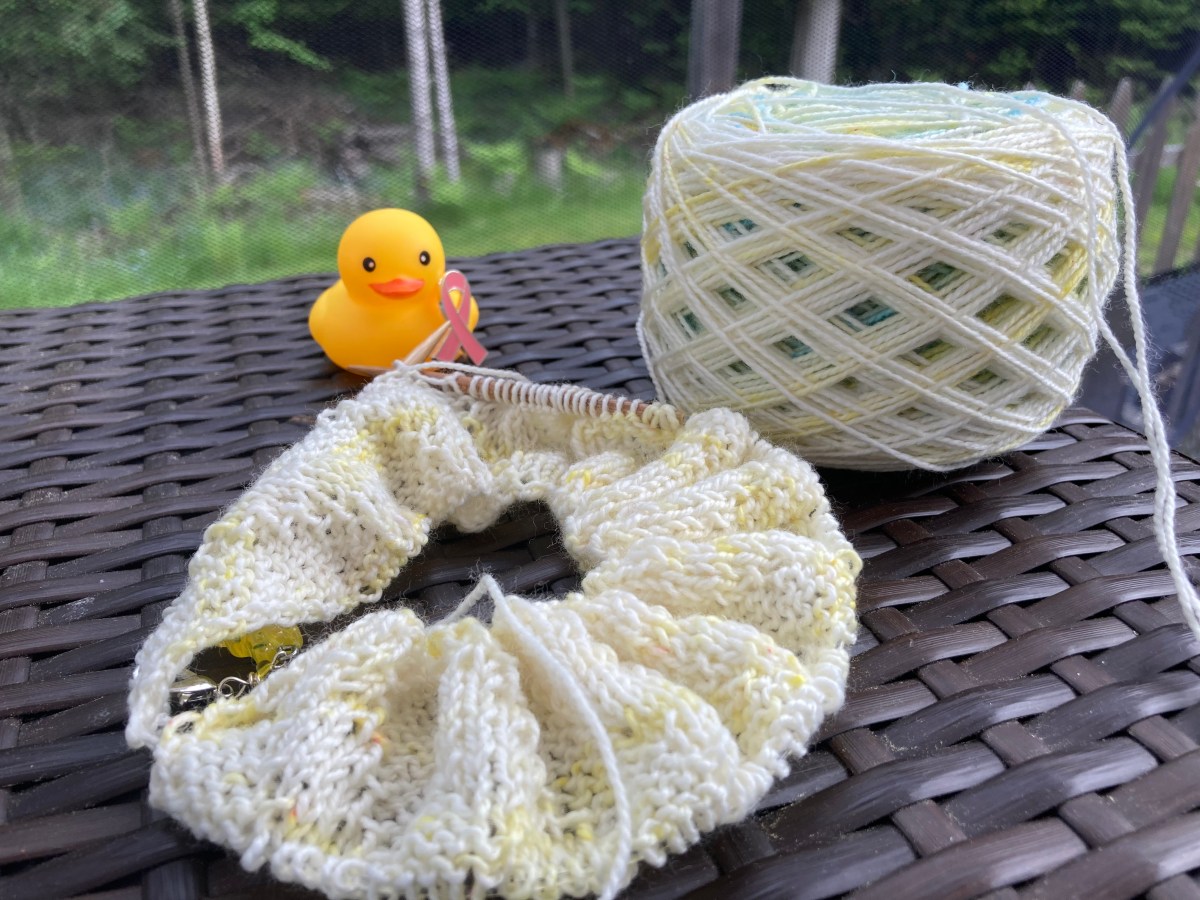
It’s kind of ironic that I don’t know how to start this post. Do I tell you that I’m the kind of person who can carry a heavy load but will completely and totally break down at the last straw, baffling everyone who just sees a single straw? Or how I really hate speaking bad news out loud because that’s what makes it real? I can text it just fine, but if I have to say the words, I’ll start crying.
I could also start by explaining that the seniors get out earlier than the rest of the students. This wasn’t true when I was in high school, but that’s how it works where I teach: near the end of May, seniors have a short week with some days of normal classes and then two short days for all their exams. This happens at the same time all the other grades are going through their usual hours, so we have to get the exams to the office so someone can oversee them. Students can be exempt from their spring exams, too, so they don’t even always have to come to school on their last day.
I found out that I had cancer on the seniors’ last exam day. I was done with my other classes, and I wasn’t going to see the seniors, so I didn’t miss anything that day. It was also the Friday before Memorial Day weekend, so that gave me time to think. Too much time, maybe. Do I say something? And, if I want to say something … what?
Good news, everyone!
(Okay, if you don’t watch Futurama, you really need the explanation on the wiki: “Good news, everyone!” is Professor Hubert J. Farnsworth’s catchphrase. His good news usually means a suicidal mission for the Planet Express crew. Very infrequently is the news actually good.)
Is there ever a good way to share bad news? Considering the timing, I had some leeway about it, but it wasn’t really a question of whether I could get away with not saying anything. Even on that first day I figured I’d end up missing some of the end of the school year, and it was only a few days before I learned I’d be missing graduation. They’d notice I wasn’t there.
The thing is, though, that when you tell someone bad news, you also have to handle their emotions about it. They’re going to respond, because we’re taught that the right thing is to respond, even if we don’t necessarily have a good thing to say. It’s like how we ask “How are you?” when we greet someone, even when that’s actually not a good question. Did every nurse ask me that through every appointment? Yes, except for the one I told not to before she could do more than say hello. And that felt rude, because it’s just what people say.
So that was in my mind as I figured out how, exactly, to do this. I sent texts to people I usually text, and then came up with this post for Facebook:
Hey everyone, this is a PSA to get your screenings. I had my first mammogram 15 days ago – they don’t push it at 40 anymore, but with my family history, I figured “Better safe than sorry.”
Then I had an ultrasound 11 days ago, and a biopsy 4 days ago. Today I found out I have breast cancer but, because of the mammogram, they caught it early. We’re working on the treatment plan but, if you happen to think I’m distracted or more emotional than usual, now you know why.
You don’t have to comment. It’s hard enough to find words, and I doubt I have the energy to respond to everyone. You can just hit that “care” emoji and we’ll know the entire conversation that happened between us. Thanks for caring. 
Remember, this was a Friday night before a long weekend. I figured I’d be able to keep track of who reacted to it and trace how far it would spread. I wouldn’t have to say anything on Tuesday at school, because they’d all already know, and I wouldn’t have to force students to process their initial reaction in public, in real time. That was my brilliant plan.
Ope.
Partway through first hour, a student turned to me and asked if I was looking forward to summer vacation. That’s when I realized that I’d have to say something, after all. It’s really hard to find the proper balance of “I have cancer” and “But there’s like a 95% chance I’m not going to die.” The main concern with students is if they’re going to have a sub, and who the sub’s going to be. On Tuesday I didn’t know if and when they’d have one, but it was a good thing I’d said something because I came back on Wednesday to say well actually you’ll have a sub tomorrow and Friday.
Sometimes you can delegate someone to do the telling. I asked the principal to tell the seniors, considering the speed of my travel plans and the fact that there was no way I’d be able to tell them I was missing their graduation. That was a situation I could anticipate, and at least I did have someone who was willing to do it. But the thing is … it doesn’t end.
Every person you see for the first time after your diagnosis is a potential land mine. Even if a student’s mom had liked my post, I might run into the dad at the grocery store, and he wouldn’t know. When I scheduled the hot pink dye job with my hairdresser, I put a note in the appointment request. A friend asked if she could announce it at church and ask for prayers, maybe not saying why, and then my mom decided to announce it as well, with the full news. She said there were gasps, but then a lot of people got over the initial reaction, and she didn’t have to keep saying it.
It’s not foolproof, though. I was downstate for treatment until right before school started, which means I missed our all-school professional development. One teacher turned to another and asked where I was, so she had to tell him. It’s just a law of the universe, I guess: the one time you hope gossip will get there before you do, it has lead shoes.
And honestly, it just doesn’t end. I had a dentist appointment in the middle of everything and had to tell both the hygienist and the dentist. Even some of the medical calls from people who know full well what’s going on ask you to explain it in your own words, and you have to say it again. I told my students on the first day of school this year, explaining it’s not a secret and I hope it doesn’t impact them much, but yeah, some of my follow-up appointments mean certain hours need subs. The students in the health careers courses had more questions, which I was happy to answer, but mostly it’s died down.
Mostly. Until I once again run into someone new—say, someone who’s an occasional member of the weekly writing group and hasn’t stopped by since spring—and have to go through it all again.
Okay, I know this is a bit ironic
But writing isn’t telling. I don’t have to watch you react and process in real time when I talk about my experience or do the “I was diagnosed with cancer earlier this year” confession. Because yes, it feels like a confession. It’s a total downer, and you don’t really want to make other people think about cancer, and who it could affect and how it could be them. Except, if we don’t talk about it, then people don’t get screenings and, when they find out it is affecting them, it’s so much further along.
The thing about emotions surrounding cancer, though, is that there are a lot of them. There are, of course, more posts to come, but in the meantime cuddle in your coziest blanket, sip your favorite fall drink, and memento vivere.


Sorry to hear about your diagnosis, but it’s reassuring to read that it was detected early.
LikeLiked by 1 person
Thank you! Yes, it could have been a lot worse.
LikeLike